

Casino game equipment includes the physical objects and devices used to support different gaming activities…
Mastering the art of bluffing in poker games
Understanding the Psychology of Bluffing
Bluffing in poker is not merely a strategic maneuver; it is an intricate dance grounded in psychological understanding. Players must recognize that bluffing involves influencing opponents’ perceptions and emotions, much like how players at an online casino nz interpret others’ actions and strategies. The essence of bluffing lies in the ability to project confidence while appearing vulnerable. A successful bluffer understands the psychological state of their opponents, reading their body language, reactions, and betting tendencies to gauge when to strike. This requires not just skill but also a keen insight into human behavior.
Moreover, the effectiveness of a bluff often hinges on the context in which it is deployed. Different players have varying thresholds for calling bluffs based on their personalities and experiences. For example, aggressive players may be more inclined to call a bluff due to their penchant for challenge, while more passive players may fold at the slightest hint of danger. Understanding these nuances provides an edge, allowing a skilled player to tailor their bluffing strategy accordingly. This psychological chess match is what elevates bluffing from a simple action to an art form.
Ultimately, mastering the psychology behind bluffing means developing a poker face and managing one’s own emotional responses. A player who can maintain composure while executing a bluff is likely to create a far more convincing narrative. Techniques such as varying bet sizes, maintaining eye contact, and adjusting posture can all contribute to the effectiveness of a bluff. By leveraging psychological principles together with strategic gameplay, players can enhance their bluffing tactics, leading to greater success at the poker table.
Types of Bluffs and Their Applications
Bluffing is not a one-size-fits-all strategy; rather, it encompasses various types, each suited for different scenarios in poker. The classic «pure bluff» involves betting or raising with a weak hand, hoping to convince opponents to fold. This type of bluff is most effective when executed against tight players who are more likely to fold in the face of aggression. For instance, if you notice that your opponent has been conservative throughout the game, a well-timed pure bluff can force them to relinquish their hand, allowing you to claim the pot.
Conversely, the «semi-bluff» provides a more nuanced approach, where a player bets or raises with a hand that has the potential to improve. For example, if you are holding a drawing hand—like a straight or flush draw—betting can serve two purposes: it may force opponents to fold and if called, you still have a chance to complete your hand. This dual potential makes semi-bluffing a valuable tactic, allowing players to build the pot while maintaining the possibility of a favorable outcome.

Another important bluff type is the «value bluff,» where a player bets or raises with a hand that, while not the best, might still be strong enough to win against the range of the opponent. This is particularly useful in situations where the player has an edge but is still at risk of being outdrawn. Recognizing when to employ these various types of bluffs can greatly enhance a player’s overall strategy, leading to improved outcomes and a deeper understanding of the game’s dynamics.
The Importance of Timing in Bluffing
Timing is a critical component of effective bluffing in poker. A well-timed bluff can turn the tide of a game, while a poorly timed one can result in immediate disaster. Players must develop the ability to discern the right moments to deploy bluffs, which is closely tied to the flow of the game and the behavior of opponents. For instance, if a player has just made a significant bet on the previous round, attempting to bluff them in the subsequent round may be less effective, as they are more likely to be confident in their hand.
It’s also essential to consider the stage of the game. Bluffing early in a tournament or cash game might yield different reactions compared to bluffing during crucial moments, such as near the end of a tournament where stakes are high. At these pivotal moments, players might be more cautious and less inclined to call bluffs, making it an optimal time for a well-strategized bluff. Understanding the dynamics of the game’s progression can significantly influence the success of a bluff.
Players should also pay attention to the betting patterns and behaviors of their opponents throughout the game. If a player has shown aggression and confidence in their previous bets, attempting to bluff against them can be risky. However, if a player reflects uncertainty or hesitation, this creates an opportunity for a bluff. Ultimately, mastering the timing of bluffs requires practice, observation, and an adaptable mindset, allowing players to refine their approach to maximize their potential winnings.
How to Read Your Opponents for Successful Bluffing
Reading opponents is a fundamental skill that enhances the effectiveness of bluffing in poker. The ability to decipher an opponent’s emotions and intentions can provide invaluable insights into whether a bluff will succeed. Players often exhibit subtle tells—such as physical movements, facial expressions, or verbal cues—that can indicate the strength or weakness of their hands. By honing the skills to observe these signals, a player can determine when to initiate a bluff and when to back down.
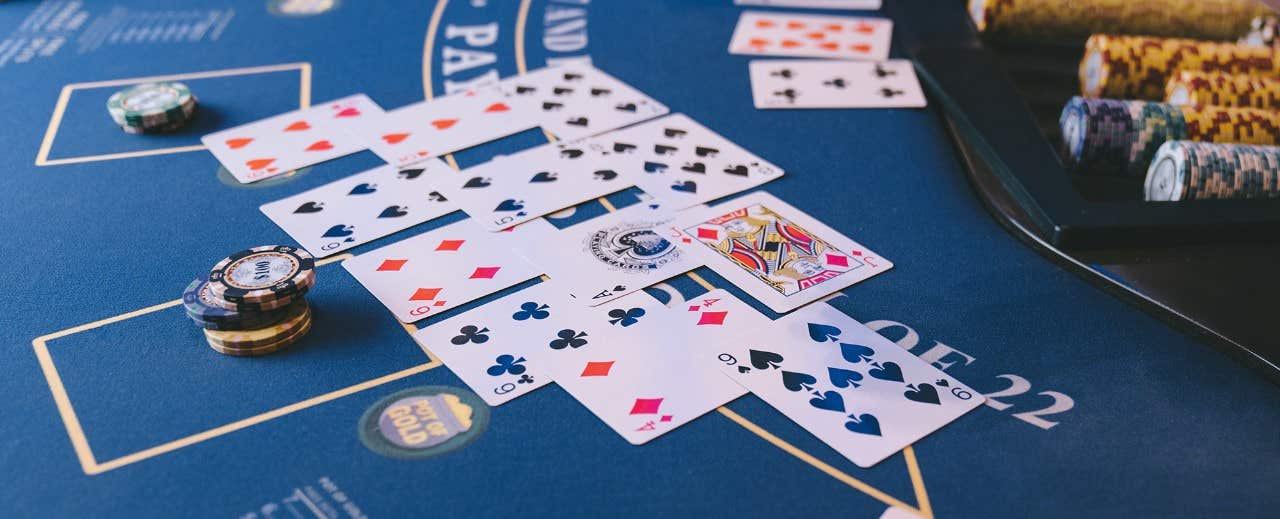
In addition to physical tells, understanding betting behavior is crucial. Different players have distinct patterns that can signal whether they are holding a strong hand or bluffing themselves. For instance, if an opponent consistently checks under pressure and then suddenly raises, it could indicate a strong hand. Conversely, if they are aggressive with bets but show reluctance to call raises, they may be holding a weaker hand. By tracking these behavioral patterns, players can make informed decisions regarding their own bluffing strategies.
Lastly, players must remain adaptable in their approach to reading opponents. Each poker table can consist of a unique mix of personalities and styles, and consistently applying a single method may not yield successful results. Instead, keen observation and the willingness to adjust one’s strategies based on real-time insights can lead to the most accurate reads. By mastering the art of reading opponents, players can significantly increase their chances of executing successful bluffs, ultimately enhancing their overall game strategy.
Elevating Your Game with Expert Resources
To truly master the art of bluffing in poker games, players can benefit significantly from accessing expert resources and communities dedicated to the game. Numerous platforms offer tutorials, strategy guides, and insights from experienced poker professionals who share their knowledge on bluffing techniques and psychological strategies. Engaging with these resources can help players gain a deeper understanding of the nuances of bluffing that are often overlooked in casual play.
Participating in online forums and discussion groups also allows players to exchange experiences and tips with others who share their passion for poker. Collaborative learning can enable players to uncover various bluffing strategies and learn from the mistakes and successes of their peers. These conversations can provide fresh perspectives and innovative approaches to bluffing that can be tested and refined during actual gameplay.
Ultimately, investing time in learning and practicing bluffing techniques will not only improve a player’s skill set but also instill the confidence needed to execute bluffs effectively. As players gather knowledge, develop their unique styles, and refine their strategies, they will find themselves becoming more adept at navigating the complexities of poker, enhancing both enjoyment of the game and chances for success.